

Flyers 3 – Test 2 Listening
100% Original Practice Test · The Seaside Discovery Centre
Listen to 5 parts with 25 questions. Use the original MP3, jump to each part and take notes. Use Show Answer to review, or submit the whole test at the bottom.
Learning guide
Learning objectives
- Identify people by clothing, actions and position in a busy scene.
- Listen for names, spellings, numbers, times and corrected details.
- Match people to objects and choose final decisions from spoken alternatives.
- Follow location and colour instructions and write short words.
Before you start
- Common seaside, weather and visitor-centre vocabulary.
- Practice with names, numbers, positions, comparisons and simple corrections.
Teacher tip
The full recording already presents each part twice. Use the pauses to inspect the picture. Encourage learners to wait for the final choice when an idea changes; the example is unscored.
Listening strategy
Identify people using actions, clothing and position. Predict the information type on the form and wait for corrected details. Choose the souvenir or picture each speaker finally requests. Locate each umbrella before choosing its colour. Listen for the sign word. Show Answer supports review without filling controls or awarding marks.
Listen and draw lines
Listen and draw lines between names and items in the picture. There is one example.
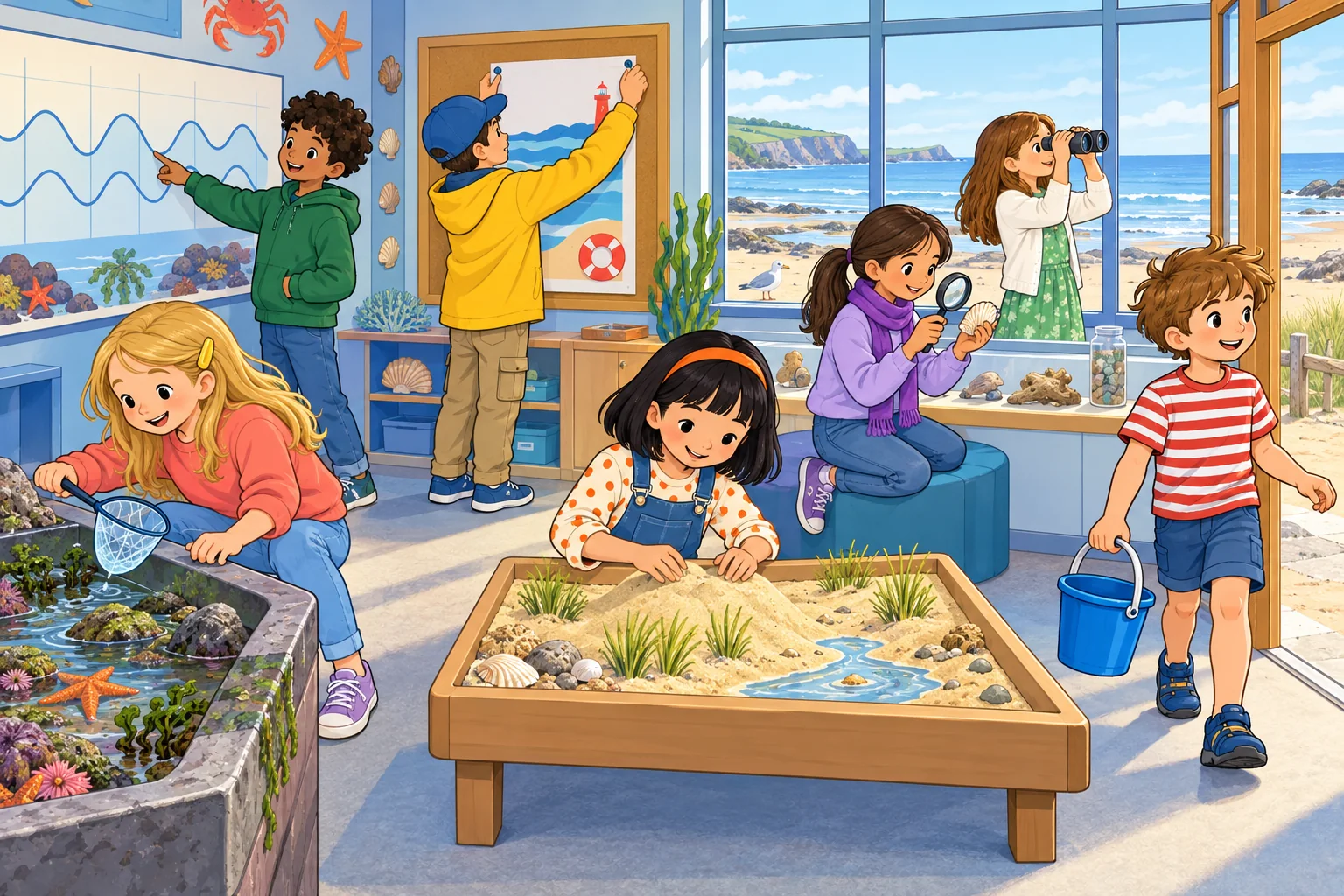
Narrator: Look at the picture. The children are getting ready for a day of seaside science activities. Listen and draw lines. Here is an example.
Woman: Can you see the girl with the little net?
Child Boy: Yes, she’s beside the rock-pool tank. She’s wearing a coral top.
Woman: That’s Alice. Draw a line from her name to that girl.
Child Boy: All right, I’ve found Alice.
Narrator: Now listen and draw a line. One.
Woman: Who is showing everyone the tide chart?
Child Boy: The boy in the yellow jacket?
Woman: He’s putting up a poster. Look at the left side of the room. The boy there has curly hair and a green hoodie.
Child Boy: He’s pointing at the chart. His name is Ben.
Narrator: Two.
Child Boy: Where is Cathy? Is she looking at the tank?
Woman: No, Alice is at the tank. Cathy has a shell and a magnifying glass.
Child Boy: I can see a girl with a purple scarf.
Woman: Yes, in front of the wide window. That’s Cathy.
Narrator: Three.
Woman: Find David, please. He’s brought something from the beach.
Child Boy: Is he carrying the red bucket by the table?
Woman: No, the bucket is blue. Look near the doorway for the boy in a striped T-shirt.
Child Boy: That’s David. I see the blue bucket.
Narrator: Four.
Child Boy: Is Emma making the sand model near the window?
Woman: The girl at the window is studying a shell. Emma is at the front of the central table.
Child Boy: She has short black hair, hasn’t she?
Woman: Yes, and an orange hairband. She’s making the sand dunes.
Narrator: Five.
Woman: Which child is pinning up the safety poster?
Child Boy: Ben, with the green hoodie?
Woman: Ben is pointing to the chart. The poster is on the noticeboard. The boy pinning it has a blue cap and a yellow jacket.
Child Boy: That’s Fred. I’ll draw a line to him.
Narrator: This is the end of Part 1.
Listen and write a name or a number
Listen to a visitor booking a rock-pool visit. Write a name, day, time, number or word. There is one example.
📝 Listen and write
Narrator: Listen and complete the booking form. Here is an example.
Woman: What’s the first name for the booking?
Child Boy: Lucy. L-U-C-Y. It’s for my sister’s group.
Woman: Thanks. I’ll write Lucy here.
Narrator: Now listen and write. Six.
Woman: And your family name?
Child Boy: Parker. P-A-R-K-E-R.
Woman: Was that Barker, with a B?
Child Boy: No, Parker, with a P at the beginning.
Narrator: Seven.
Woman: You asked for Wednesday, didn’t you?
Child Boy: We did, but our coach is busy then. Could we come Thursday instead?
Woman: Thursday is fine. I’ll change the booking.
Child Boy: Great, Thursday works for everyone.
Narrator: Eight.
Woman: The centre opens at ten. Shall I put ten o’clock for your arrival?
Child Boy: We hoped to be there at half past ten.
Woman: The talk starts at half past ten, so arrive at quarter past ten, please.
Child Boy: All right, 10:15.
Narrator: Nine.
Woman: How many children are coming? Is it forty?
Child Boy: It sounds like a lot, but no, there are fourteen. One four.
Woman: Fourteen children. I’ve got it.
Narrator: Ten.
Woman: What should they bring for the rock-pool visit?
Child Boy: A notebook?
Woman: We provide those. They should bring a small towel, please.
Child Boy: I’ll tell them to pack a towel.
Narrator: This is the end of Part 2.
Which souvenir does each person choose?
Read the souvenirs A–H. Listen and choose the item each person finally buys. There is one example.
Narrator: Now listen and match. Here is an example.
Woman: What would you like to take home, Jack?
Child Boy: Maybe the shell key ring. The yellow one is small enough for my bag.
Woman: Good choice. You can attach it to your bag.
Child Boy: I’ll take that, please.
Narrator: Now listen and match. Eleven.
Woman: Mia, would you like a postcard or the towel?
Child Girl: I like the boat postcard, but it’s rather crowded. The towel is useful.
Woman: Look at the lighthouse card at sunset. The colours are lovely.
Child Girl: Oh, yes. I’ll choose that postcard.
Narrator: Twelve.
Woman: Oliver, what are you buying for your cousin?
Child Boy: A dolphin?
Woman: The glass one could break. Your cousin is little.
Child Boy: Then the soft seal is better. I like its blue scarf.
Woman: That soft toy will be safer for your cousin.
Narrator: Thirteen.
Woman: Ruby, do you want the notebook?
Child Girl: I already have lots of paper things. Could I get the green bottle?
Woman: It has a silver lid and you can use it again and again.
Child Girl: That’s perfect. I’ll take the green bottle.
Narrator: Fourteen.
Woman: Sam, which souvenir will remind you of the centre?
Child Boy: The seal is funny, but I collect sea animals made of glass.
Woman: There is a blue dolphin on a wooden stand.
Child Boy: That’s the one for my desk. The blue dolphin, please.
Narrator: Fifteen.
Woman: Tara, are you choosing the shell key ring?
Child Girl: No, I got one last year. I want something for my sketches.
Woman: The purple notebook has waves on the cover.
Child Girl: I’ll take that notebook for my sketches.
Narrator: This is the end of Part 3.
Listen and tick (✓) the box
Listen to conversations about discovery-day preparations. Look at the pictures and tick the correct box. There is one example.
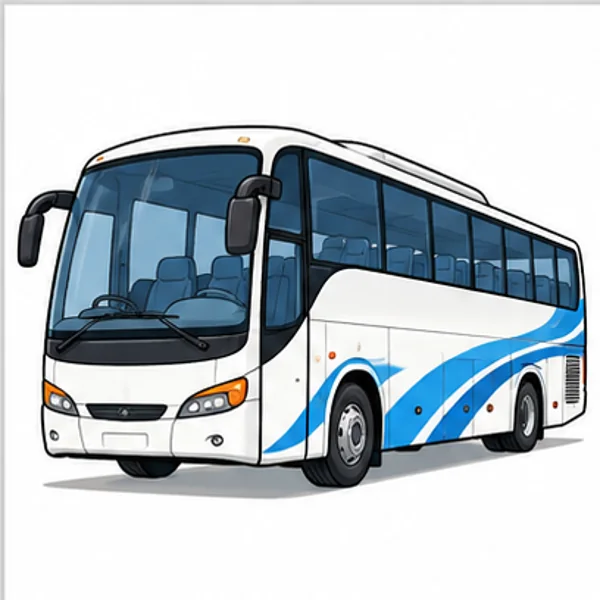
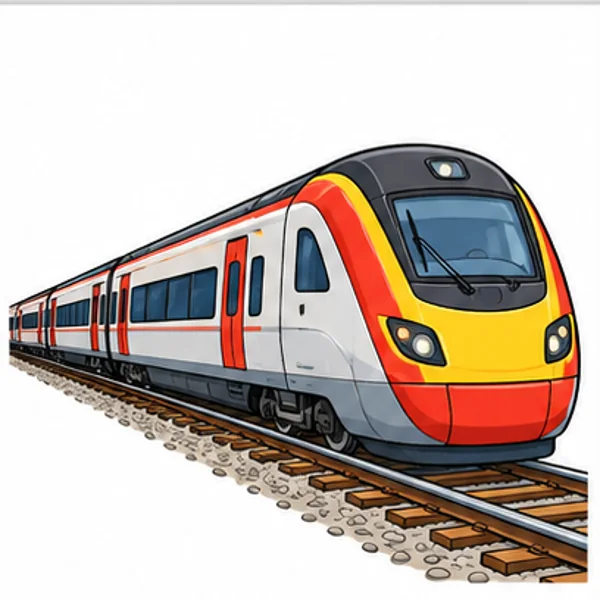
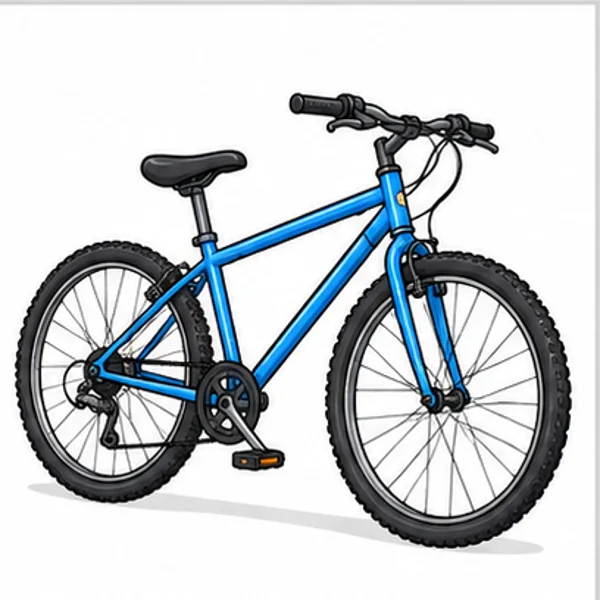
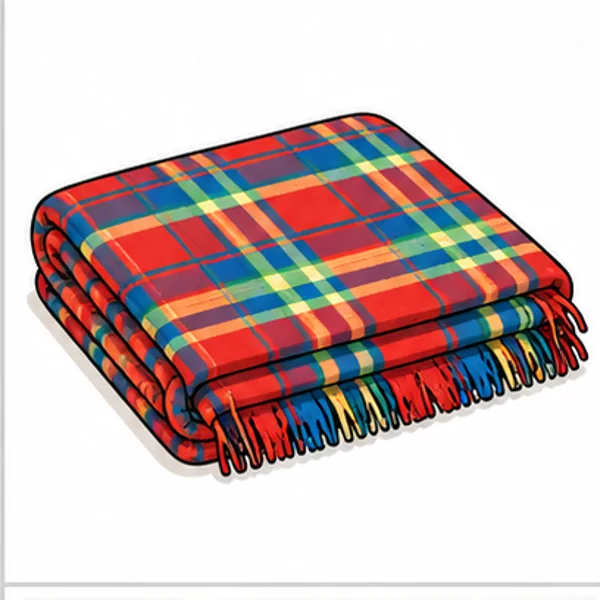
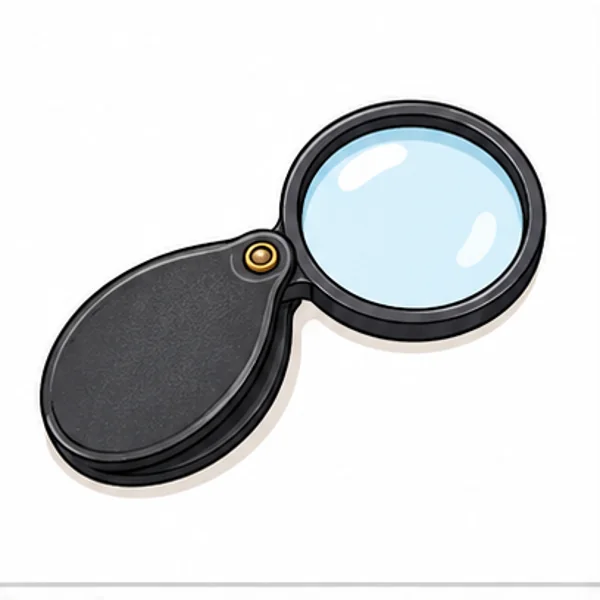
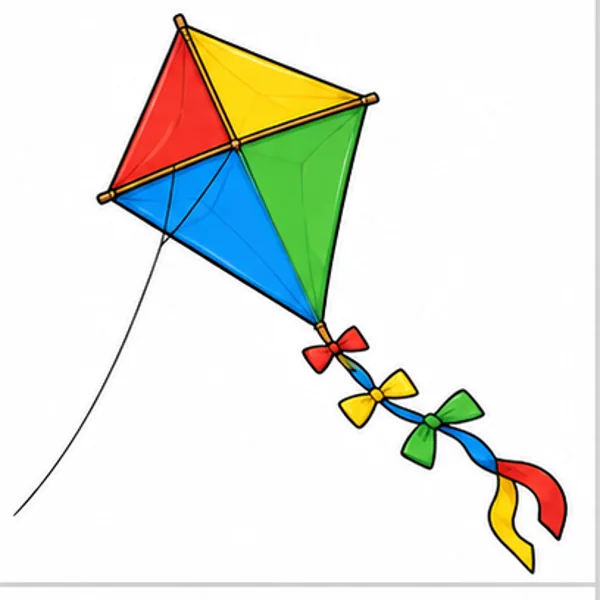
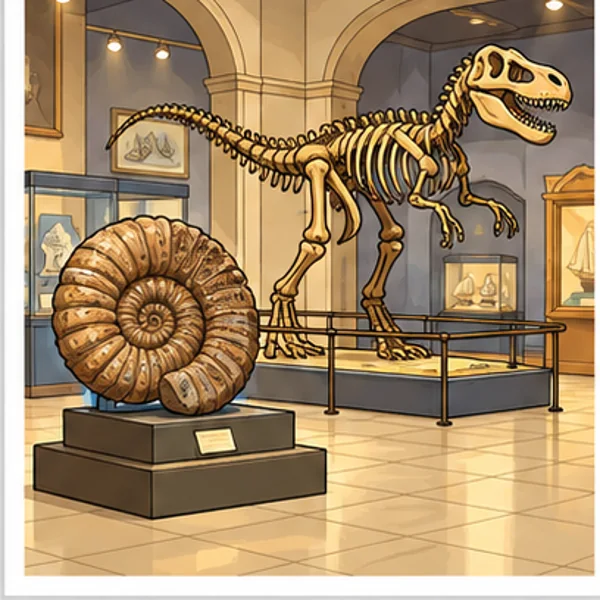
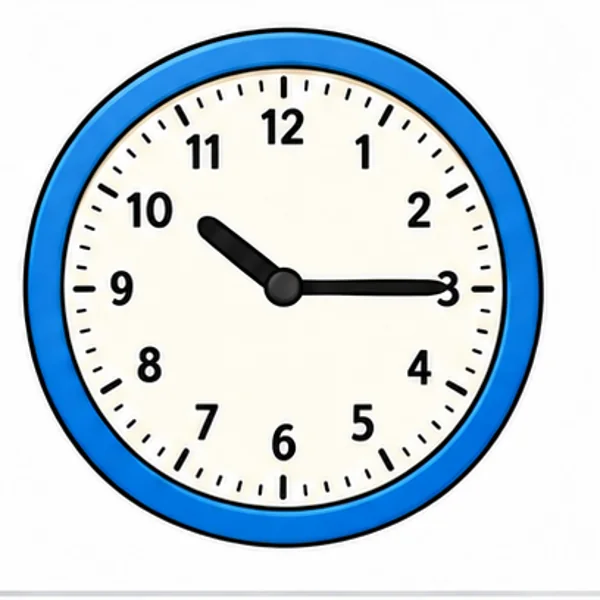
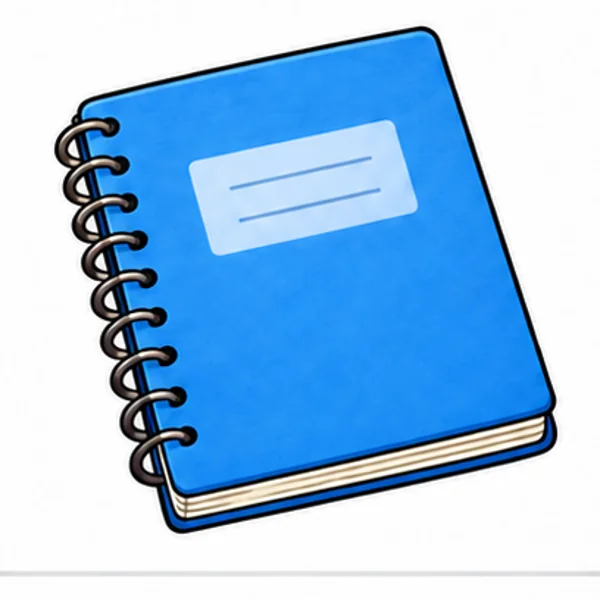
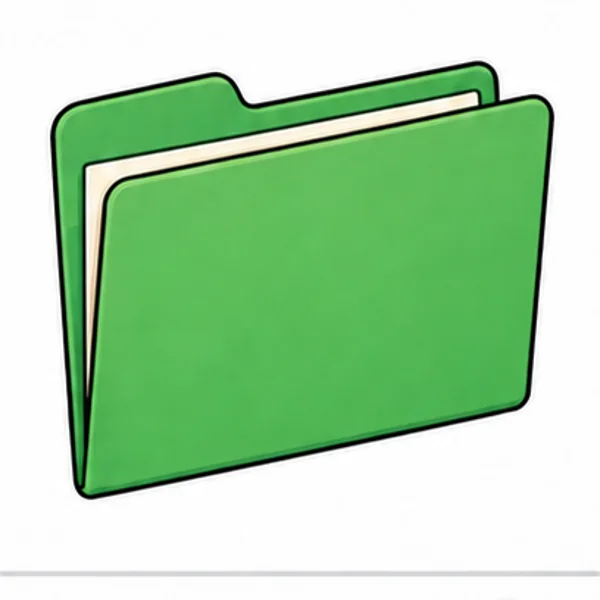
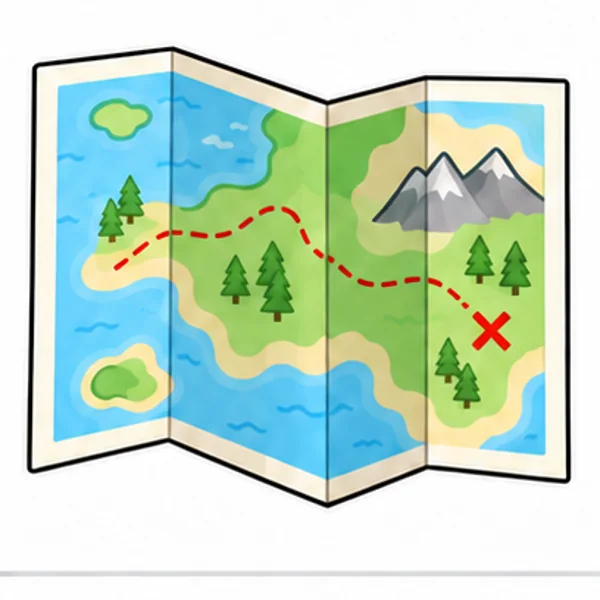

Narrator: Listen and choose the correct picture. Here is an example.
Woman: How are we getting to the discovery centre? Is the class cycling?
Child Boy: We talked about bikes, but the road is too busy.
Woman: That’s right. The school has booked a coach.
Child Boy: So we are travelling by coach.
Narrator: Now listen and choose. Sixteen.
Woman: What shall we take for the beach investigation? A blanket for lunch?
Child Boy: We can eat at the centre. I thought of taking a kite.
Woman: It may be windy, but we need to look closely at tiny things.
Child Boy: Then the folding magnifier is the best idea.
Narrator: Seventeen.
Woman: The fossil room sounds exciting. Shall we start there?
Child Boy: It’s closed for a school group until lunchtime.
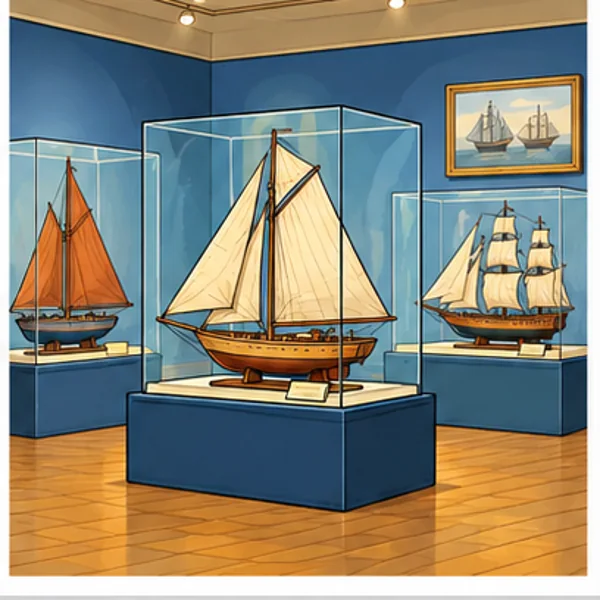
Woman: We could visit the boat gallery instead.
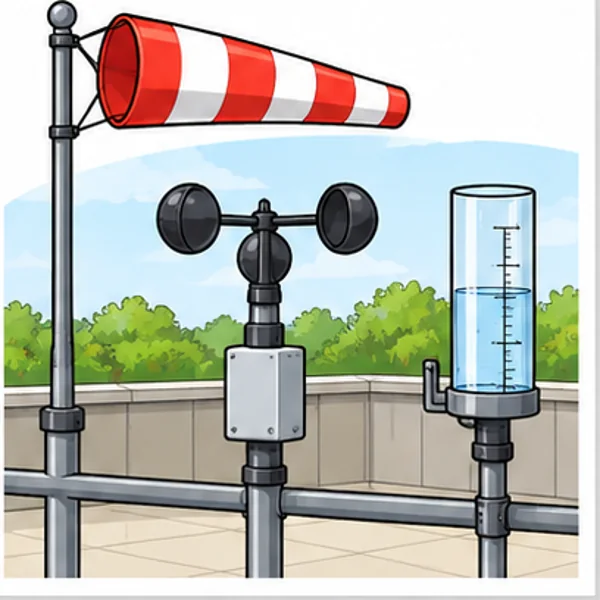
Child Boy: Let’s begin in the weather lab. We can see how wind is measured.
Narrator: Eighteen.
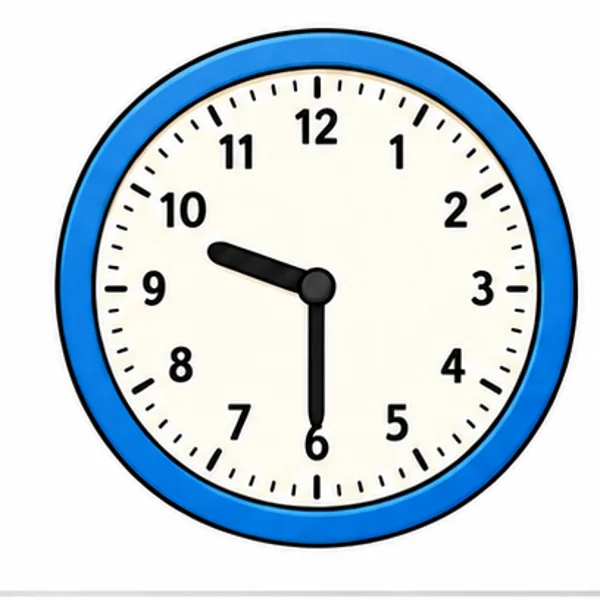
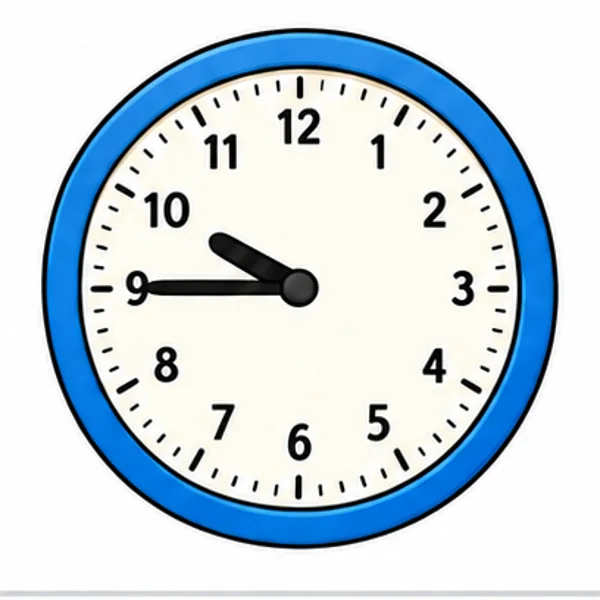
Woman: Does the guide meet us at half past nine?
Child Boy: I wrote quarter past ten in my diary.
Woman: That’s the time the film begins. The guide meets us at quarter to ten.
Child Boy: I’ll be ready at 9:45.
Narrator: Nineteen.
Woman: What will you use for your notes, Nia? The green folder?
Child Girl: It’s too big to carry around. I could use a map.
Woman: You can take the small blue notebook from the table.
Child Girl: Good idea. I’ll write in the blue notebook.
Narrator: Twenty.
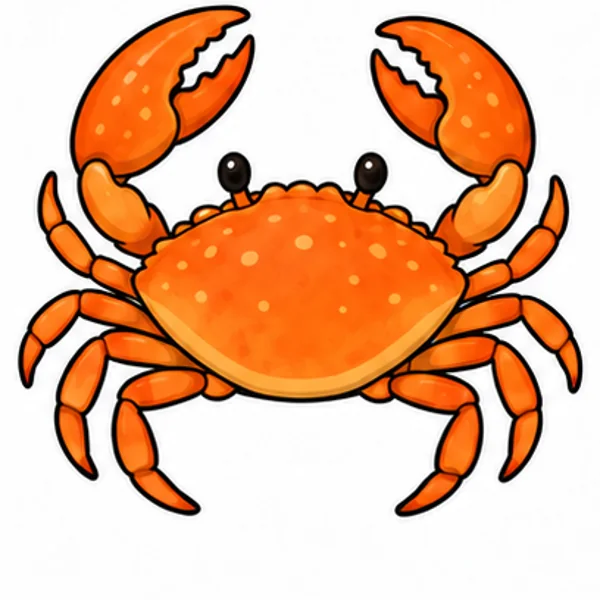
Woman: What are we looking for near the rocks? We might see a crab.
Child Boy: That would be fun. Should I draw one?
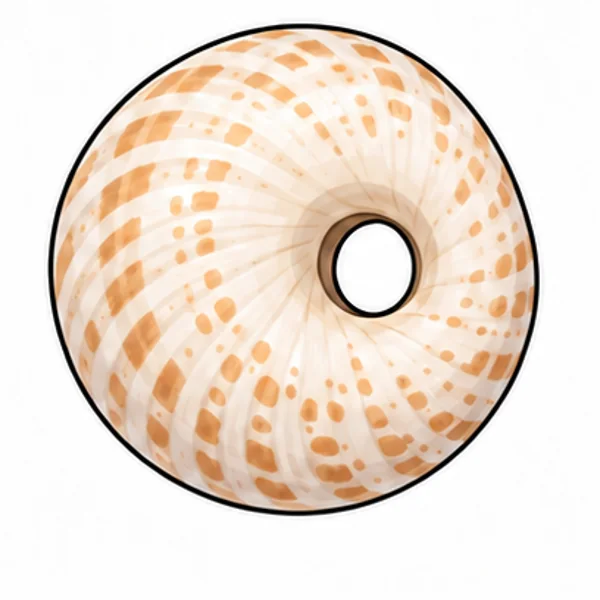
Woman: Maybe, but the activity says to find round shells with a hole in the middle.
Child Boy: I’ll look for those shells, then.
Narrator: This is the end of Part 4.
Listen, colour and write
Listen and colour the umbrellas in the centre courtyard picture. Write the word for the sign in the form below. There is one example.
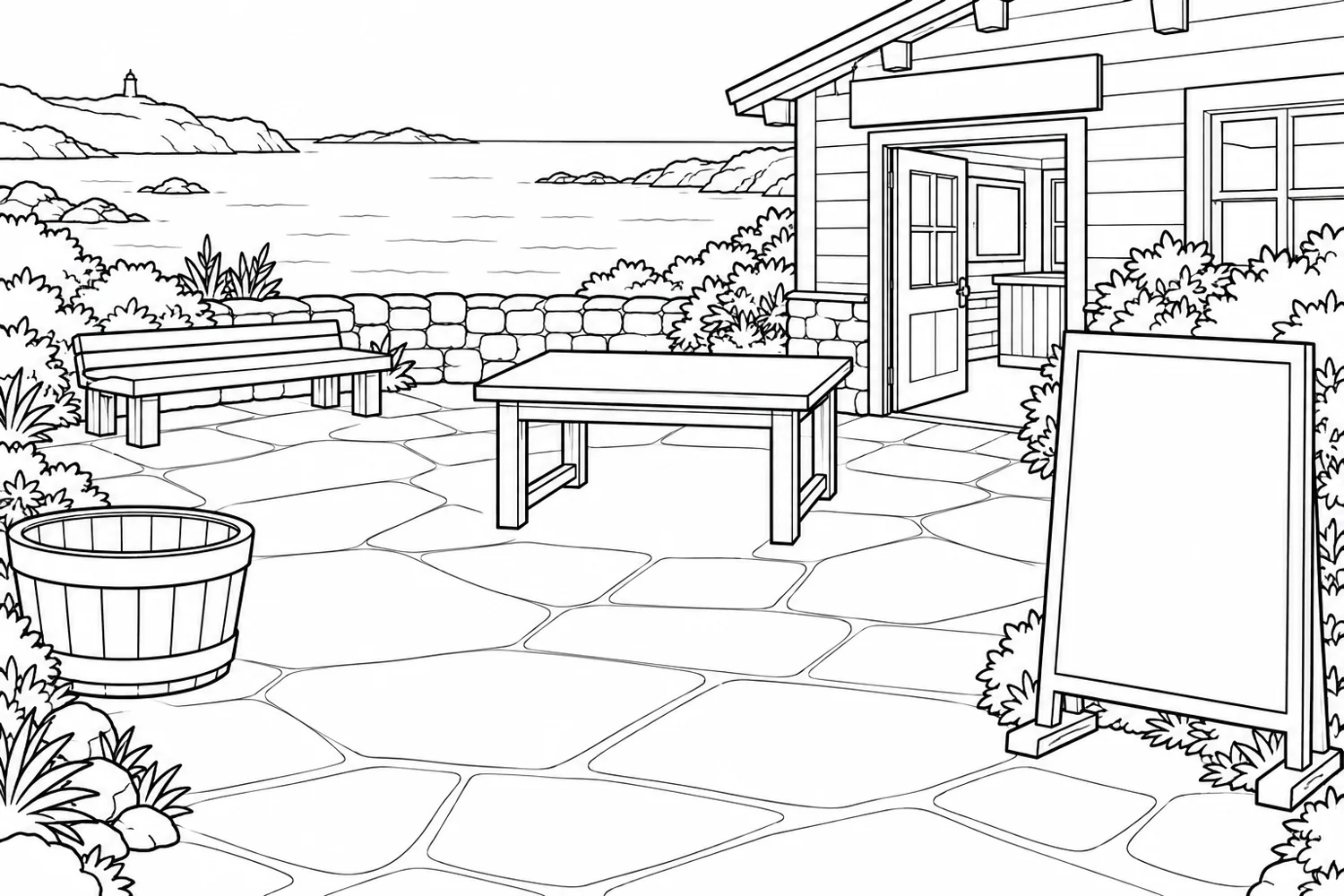
Completed picture – colour answer key
📝 Write words / numbers
Narrator: Look at the picture. Listen and colour and write. Here is an example.
Woman: Can you see the umbrella on the bench? Colour it blue, please.
Child Boy: The umbrella in the middle of the bench?
Woman: Yes. Colour that umbrella blue.
Child Boy: Done.
Narrator: Now listen and colour and write. Twenty-one.
Woman: Please colour one umbrella orange.
Child Boy: The one near the doorway?
Woman: No, look beside the flower tub on the left. Colour that umbrella orange.
Child Boy: I see it. The one beside the left flower tub is orange.
Narrator: Twenty-two.
Woman: Which umbrella needs to be green?
Child Boy: The one on the foreground path?
Woman: No, look under the information table in the middle. Colour that umbrella green.
Child Boy: All right, the one under the table will be green.
Narrator: Twenty-three.
Woman: We need a friendly message for people coming in.
Child Boy: Should I write HELLO on the sign?
Woman: Write WELCOME on the blank sign above the door, please.
Child Boy: I’ll write WELCOME in the sign above the door.
Narrator: Twenty-four.
Woman: There’s an umbrella standing beside the doorway on the right. Colour that one purple.
Child Boy: The one beside the right-hand door?
Woman: Yes, that’s the one. Make it purple.
Child Boy: I’ve coloured it purple.
Narrator: Twenty-five.
Woman: Now look at the two umbrellas on the path, at the front of the picture.
Child Boy: Do you mean the two below the table?
Woman: Yes. Colour the one on the left yellow.
Child Boy: Shall I colour the one on the right as well?
Woman: No, leave that one white. Just make the left umbrella yellow.
Child Boy: All right. The left one is yellow now.
Narrator: This is the end of Part 5.
🎯 Finished all 25 questions?
Submit to grade your whole test, OR use 👁 Show Answer per part / per question.