
A2 KEY · LISTENING · ORIGINAL PRACTICE
Cambridge KET 4 · Test 1
Listening
The Harbour Discovery Day — five parts and 25 questions. Listen for details, match people to activities and complete short notes. Record your own answers before checking the explanations.
Listen to the full test
Each recording is played twice. Use the Part buttons to practise again.
PART 1 · QUESTIONS 1–5
Five short conversations
For each question, choose the correct picture, A, B or C.
What will the man add to his bag?
 A a camera
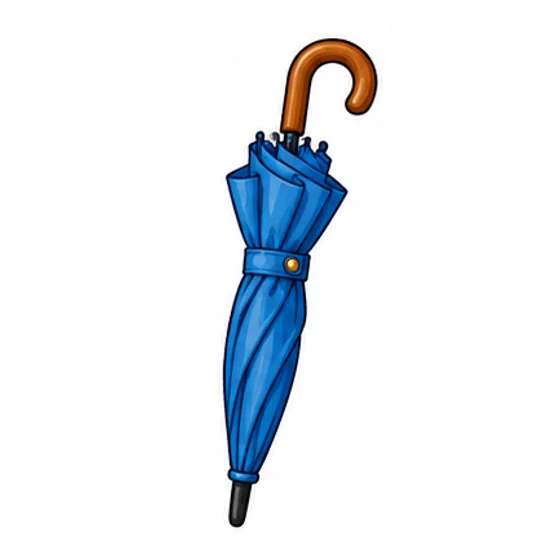 B a blue umbrella
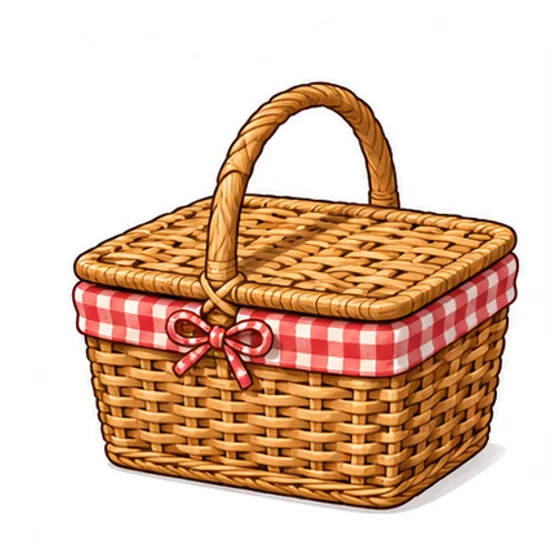 C a picnic basket
Answer: B
1. What will Mia make?
2. Where will they go first?
3. Which souvenir will Ben buy?
4. Which item will Ella borrow?
5. Which activity has Tom chosen?
Transcript — Part 1
Narrator: Example. What will the man add to his bag?
Woman: Have you packed for our visit to the harbour tomorrow?
Man: I have a picnic basket ready. I wanted to bring my camera too, but I have no room for both that and an umbrella.
Woman: Rain is expected. Take the blue umbrella as well as your basket. I can bring my camera.
Man: Good idea. My camera can stay at home.
Narrator: What will Mia make?
Man: Mia, those shells would make a lovely picture. Shall we use them?
Woman: They belong to the display, so we must leave them there.
Man: You could fold a paper boat for the race instead.
Woman: I would rather make a lighthouse card for Grandma. She enjoys getting cards, and she loves this harbour.
Narrator: Where will they go first?
Man: Shall we start at the old boat? I would like to look inside.
Woman: It does not open until eleven. The fish market is open now. Let us start there while the stalls are busy.
Man: All right. Then we can see the old boat and finish at the sea garden.
Narrator: Which souvenir will Ben buy?
Woman: Have you found a souvenir, Ben? There are some lovely harbour postcards here.
Man: I bought one yesterday. I like that lighthouse keyring, but it costs more than I have.
Woman: What about the mug with a blue anchor? It is cheaper.
Man: Yes, I will buy that. I can use it for my tea every morning.
Narrator: Which item will Ella borrow?
Woman: Can I borrow something warm for the boat deck? My yellow raincoat is quite thin.
Man: There is a red hoodie by the door, Ella.
Woman: That is my brother's. He needs it today. Could I borrow your thick blue jacket instead?
Man: Of course. It has warm pockets too.
Narrator: Which activity has Tom chosen?
Woman: Have you booked an activity, Tom? You said you wanted to paint a boat.
Man: That class is full now. My sister has chosen the map quiz, but I did one last week.
Woman: There is a rope knot lesson at two. Would you like that?
Man: Yes, please book it for me. I would like to learn a knot I can use when we go camping.
PART 2 · QUESTIONS 6–10
Match visitors to activities
Listen to a guide and a visitor discussing the choices. For questions 6–10, match each person to one activity, A–H. Use each letter once. H is the example; two other letters are not needed.
Nina
Answer: H
6. Omar
7. Lucy
8. Peter
9. Grace
10. Sam
Transcript — Part 2
Narrator: A guide is talking with a visitor about the activity choices. Nina is the example.
Woman: Nina has chosen the sea stories. She likes listening to people talk about life by the water.
Man: What will Omar do? He is in the older school group, is he not?
Woman: Yes. He asked about building a bridge, but that table is for younger children. He chose the map challenge instead.
Man: And Lucy?
Woman: Lucy wanted the boat tour, but there were no places left. She will paint a harbour picture in her sketchbook.
Man: What about Peter?
Woman: Peter thought about the map challenge, but his friend took the last place. He is making a rope mat because he likes practical activities.
Man: And Grace?
Woman: Grace asked about the boat tour, but she went on one last summer. She wants to visit the lighthouse room and see its old photographs.
Man: Finally, Sam?
Woman: Sam is in the younger school group. He likes painting, but his sister is already at that table. He has a place in the next small bridge group.
Woman: Visitors can ask the desk about changing sessions, though popular tables may fill. There is time to look around between activities, so check in before going to your table.
PART 3 · QUESTIONS 11–15
Friends plan their visit
Listen to two friends. For questions 11–15, choose A, B or C.
Where are they going?
A a museum · B the harbour · C a sports centre
Answer: B
11. Why does Isla want to arrive early?
12. What did Mark forget last year?
13. What will they do together?
14. What will they eat?
15. How will they get home?
Transcript — Part 3
Narrator: Listen to the example. Where are the friends going?
Woman: Are you ready for our trip?
Man: Yes, we’re going to the harbour for Discovery Day.
Narrator: The answer is B. Now listen to the conversation.
Woman: I want to arrive early tomorrow. The desk has free harbour maps for the first fifty visitors. I would like one for my notebook before they run out.
Man: Good idea. The first boat bell is at noon. The volunteers have put the signs up already.
Woman: I hope it’s warmer than last year. You were cold on the water walk.
Man: I forgot my light jacket at home. I had my bus pass, and I bought water at the café, but I should have brought that jacket.
Woman: I’ll bring an extra one. Have you chosen an activity? I wanted the boat tour, but it’s full.
Man: I booked the knot lesson in the morning. After lunch I am free. Shall we both join the photo walk then?
Woman: Yes, let us do the photo walk together. Now, lunch. The café has fish soup, but I do not feel like a hot meal.
Man: We could bring sandwiches from home.
Woman: I’d rather buy fruit and rolls at the market. We can eat outside.
Man: Fruit and rolls sound good. I will buy the rolls. How are you getting home? The ferry looks fun.
Woman: It does, but the last one leaves early. Let’s take the bus together. Walking would take too long.
Man: All right. I’ll check the bus times and remember my jacket.
Woman: Let’s keep the map somewhere dry this time. Mine got wet in the rain last year, and I couldn’t read the small path names.
PART 4 · QUESTIONS 16–20
Book a group visit
Listen to a visitor booking a group session. Write one word, a number or a time for each answer.
Surname: ______
Answer: Green
Transcript — Part 4
Woman: Good morning, Harbour Discovery Day. Can I help you book?
Man: My surname is Green, G-R-E-E-N.
Woman: And your first name?
Man: Owen. That is O-W-E-N. I am booking for a family group.
Woman: Is it two adults?
Man: There are four of us altogether. My two children are coming too.
Woman: What time will you arrive? The guided walk begins at half past ten.
Man: I thought ten, but our bus reaches the harbour at quarter past ten. That gives us time to check in.
Woman: Which activity would you like: boat painting or rope making?
Man: Rope making, please. The children painted boats at school last week.
Woman: Done. Please bring an apron to keep your clothes clean while you work. We provide a towel for cleaning up.
Man: Thanks. We’ll see you at quarter past ten.
PART 5 · QUESTIONS 21–25
Announcement about the pier trail
Listen to the announcement. Write one word, a number or a time for each answer.
Meet beside the ______
Answer: pier
Transcript — Part 5
Narrator: Good morning, visitors. Welcome to Harbour Discovery Day. Our guided Harbour Walk is a friendly way to see the neighbourhood and places people use every day.
Narrator: Meet beside the pier. The information tent opens at nine thirty, and the walk begins at quarter to ten. Please arrive early so the guide can check everyone in.
Narrator: You receive a paper map at the start. Bring a pencil to mark places you may like to visit again. You do not need a notebook; the map has room for short notes.
Narrator: The walk takes about an hour. We stop for a short rest beside the café. There are seats outside, and visitors may buy a drink. We pass the boat shed first, so please stay with the group.
Narrator: Most of the walk follows the sea path. If the wind becomes strong, the guide takes everyone along the garden route instead. Both routes return to the pier. Please listen to the guide and enjoy your visit.
Narrator: Please wear comfortable shoes and keep children close to an adult near the water. You may take photographs, but leave working boats clear for their crews. The guide will answer questions during the rest stop. Please leave rubbish in the bins and return borrowed pencils before you leave. Thank you for helping us keep the harbour tidy.
Ready to check your listening?
Submit to grade your whole test, OR use 👁 Show Answer per part / per question.
Learning review & listening guide
1. How to record your answers
Choose A, B or C in Parts 1 and 3. Match each person to a different activity letter in Part 2. In Parts 4 and 5, write one word, a number or a time as required by the label. Each scored question is worth one mark: 25 in total. Worked examples are not scored.
2. Clue words & patterns
Read the labels before listening. Predict whether each gap needs a name, a number, a time or an object. Listen for the final choice after phrases such as “instead” and “but”. Separate arrival times from activity start times, and count the whole group when asked for a total. Names may be spelled aloud.
3. Watch out & common mistakes
A mentioned option may be rejected. Listen to the full exchange before deciding. Write only the missing word in a one-word gap: omit extra articles such as “a” and “the”. You may write a time in digits or words. Show Answer and transcripts never fill an answer or earn marks. Grade your attempt, study the explanations, then reset for a fresh attempt.