

Flyers 1 – Test 2 Listening
100% Original Practice Test
Identify children preparing a lantern workshop, complete a registration form, match family craft objects, choose pictures and colour the garden scene. Listen to each part twice, then submit or use Show Answer to review. This A2 listening practice has 5 parts and 25 questions.
Learning guide
Level: A2.
Topic: The Lantern Workshop
Learning objectives
- Identify people from actions, clothing and position.
- Record a spelled surname, room, arrival time, fee and quantity.
- Follow corrected choices and match people to workshop objects.
- Distinguish picture details and follow colour-and-location instructions.
Before you start: Read the names and picture options. Check the audio plays, prepare headphones if useful and leave the coloured example unchanged.
Teacher tip: Ask learners to predict each missing information type. After checking, replay the exact supporting words and discuss how the distractor was rejected.
Listening strategy: Combine the object with its location before choosing a colour. Listen to the complete exchange, especially but, instead and this time. Show Answer supports review without filling your answers or awarding marks.
Listen and draw lines
Listen and draw lines between names and items in the picture. There is one example.
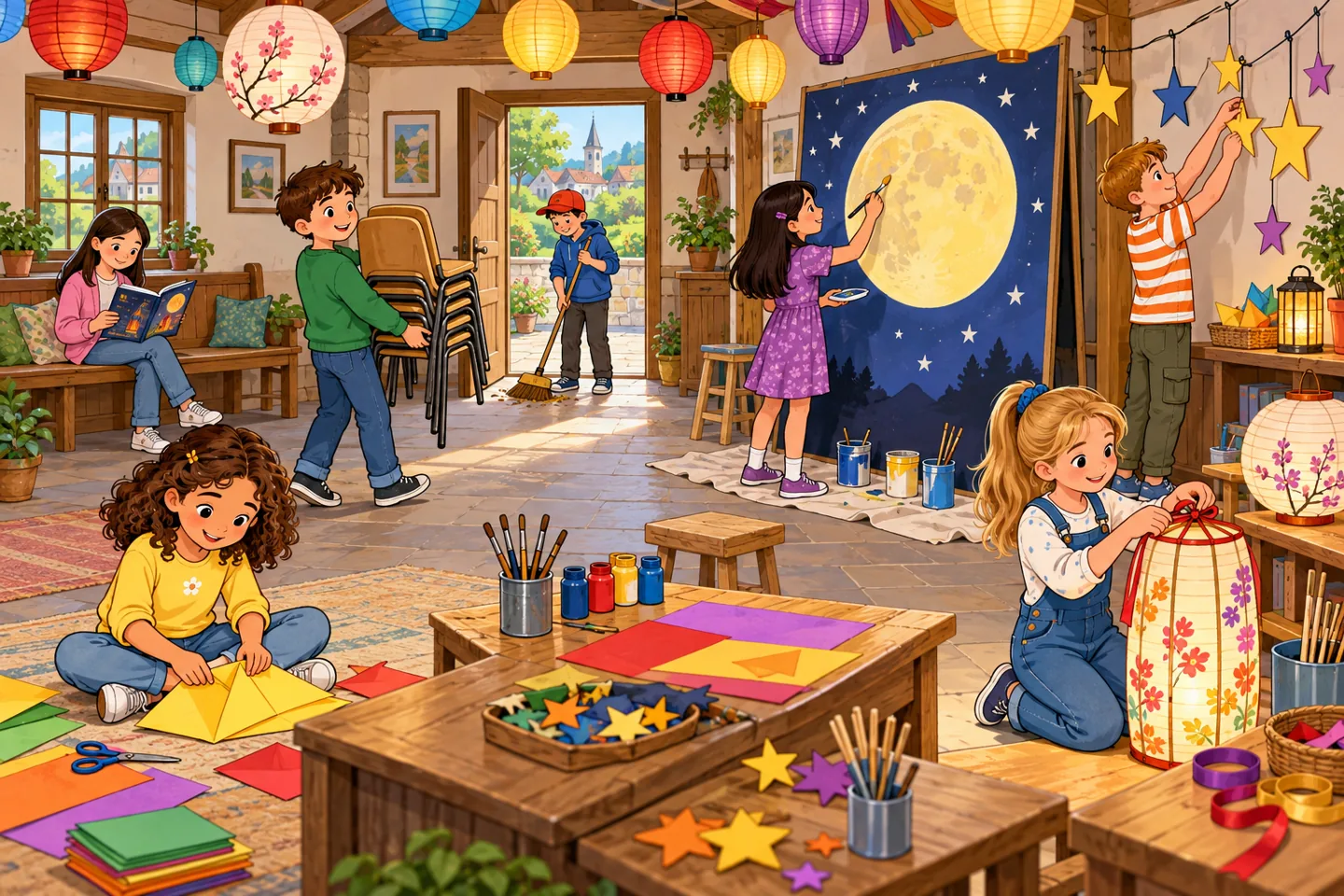
Narrator: Part One. Listen and draw lines. Look at the children in the village arts centre. First, listen to the example.
Woman: Who is the girl sitting on the floor in front of the bench?
Boy: That is Alice. She has curly brown hair and a yellow top. She is folding a large piece of paper.
Narrator: Alice is the example. Now listen and draw lines. Number one.
Woman: Do you know what Ben is doing?
Boy: Yes. He is not painting anything. He is moving a stack of chairs on the left of the room. He is wearing a green sweater.
Narrator: Number two.
Woman: And Emma? I thought she was making lanterns.
Boy: She has finished hers already. Now she is painting a big moon on the backdrop in the middle of the room. She is wearing a purple dress.
Narrator: Number three.
Woman: Is Jack putting up the lanterns?
Boy: No, he is hanging paper stars on the right wall. He is the boy in the orange and white striped shirt.
Narrator: Number four.
Woman: Lucy is working on one of the tall lanterns, is she not?
Boy: That is right. She is tying a ribbon around it, at the front on the right. Look for the girl in blue dungarees.
Narrator: Number five.
Woman: Is Oliver moving the chairs too?
Boy: No. Oliver is the boy in the red cap. He is sweeping the floor beside the open door at the back. He wants the room to be tidy before the visitors arrive.
Listen and write a name or a number
Listen to a child registering for the Saturday Lantern Workshop. Write the missing detail only. There is one example.
📝 Listen and write
Narrator: Part Two. Listen and write. Write one or two words, or a number. The activity name, Lantern Workshop, is the example. Now listen to a mother and her son speaking to the organiser.
Woman: Hello. I’d like to register my son for the lantern workshop on Saturday. Is there still a place?
Man: Yes, there is. We have a few places left. I’ll put his name on the list. What’s his first name?
Boy: I’m Noah.
Man: And your surname, Noah?
Boy: Mason. M, A, S, O, N. Let me say that again: M, A, S, O, N.
Woman: Thanks. Which room should we go to? I remember there was an Oak Hall last year.
Man: The Oak Hall is being painted this week. This time we’re in the Willow Room. It’s beside the small library, just past reception.
Woman: Good. And what time should Noah arrive? The notice says the workshop begins at half past nine.
Man: That’s right, but please arrive at quarter past nine so we can check everyone in and give out aprons. The doors open at nine.
Boy: Do we need to pay when we arrive?
Man: Yes. The materials fee is six pounds. That covers the coloured paper, wire and battery light. Lunch is available for another four pounds, but it’s optional.
Woman: I’ll pack sandwiches, then. Is there anything Noah needs to bring from home?
Man: Please bring two clean glass jars. They should be about the size of jam jars. We supply the paper and wire, so don’t bring those.
Boy: I’ve got two jars ready. I’m looking forward to making one for the garden.
Match the workshop objects
Read the objects A–H. Listen and choose what each person finally makes. Aunt May is the example; two objects are not used.
Narrator: Part Three. Listen and match the people to the pictures. There are eight pictures of things made at the Lantern Workshop. You have one example. Aunt May chose the bead necklace, so the line goes to H. Now match each other relative to a different picture. There are two pictures you do not need. You will hear the conversation twice.
Woman: I’ve put the workshop photographs on the table. Shall we label them for the exhibition? Aunt May’s necklace is easy to recognise.
Man: Yes, the bead necklace is H. What did Uncle Rob make? I thought he chose the wooden bird.
Woman: He looked at the bird, but it was too small for his shelf. He finished the model bridge instead. It has little wooden pieces across the top.
Man: And Ella? She was choosing between the mask and the bag.
Woman: She picked the painted mask. She painted a yellow pattern around the eyes. The fabric bag was for another table.
Man: Grandma June made something warm, didn’t she? Was it the wool scarf or the fabric bag?
Woman: The wool scarf. She knitted it with several colours of soft wool. She didn’t make a bag, although she did help sew one.
Man: Max said he wanted to build a bridge like Uncle Rob’s.
Boy: I changed my mind. I made a paper boat. It floats in the water tray. I started a wooden bird, but I didn’t finish it.
Man: That leaves Grandpa Lee. Is his the clay bowl?
Woman: Yes. He made the clay bowl and decorated the outside with spots. He tried on the little mask, but it didn’t fit well with his glasses.
Listen and tick (✓) the box
Listen and tick the correct picture in each group. There is one example.
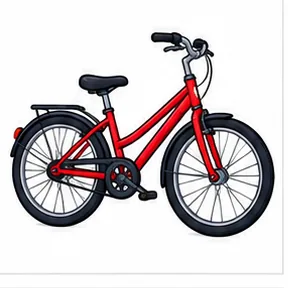
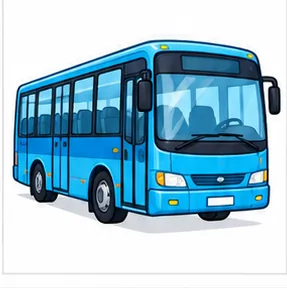








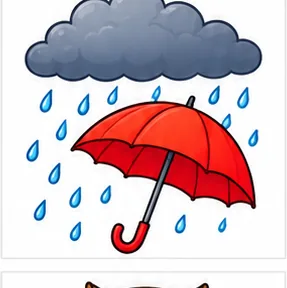
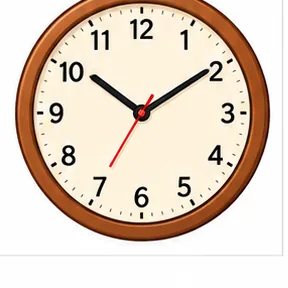
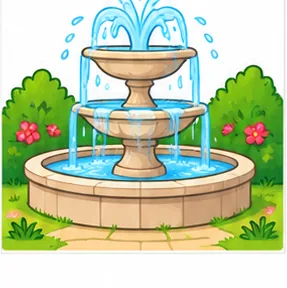
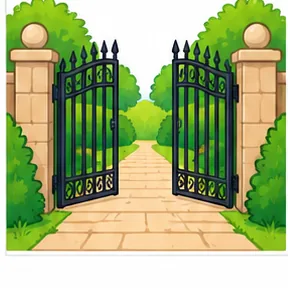
Narrator: Part Four. Listen and look at the pictures. Choose A, B or C. First, listen to the example.
Narrator: How will the children travel to the arts centre?
Girl: Shall we take our bicycles? The train does not stop near the village.
Boy: We have too many bags to cycle. Let us take the bus. It stops outside the centre.
Narrator: The answer is B. Now listen to questions sixteen to twenty.
Narrator: Number 16. Which picnic snack will the boy bring?
Woman: What are you packing for our picnic beside the arts centre?
Boy: I was going to take an apple, but I’m hungry enough for something bigger. I’ll make a cheese sandwich. The yoghurt can stay in the fridge because it might get warm.
Narrator: Number 17. What has the girl lost?
Girl: I can’t find something I wore on the way here. My scarf is hanging by the door, and my gloves are in my bag.
Man: Is it your cap? I saw one on the bench near the entrance.
Girl: Yes, my red cap! I have everything else. Let us look on the bench.
Narrator: Number 18. What will the weather be like during the garden display?
Woman: The garden display starts at two. Do we need the sun canopy?
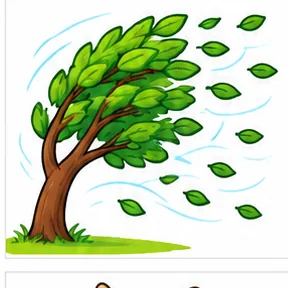
Man: No, the clouds will cover the sun, but it won’t rain. The forecast says it will be quite windy, so we should tie the paper signs to the fence.
Narrator: Number 19. Which animal does the girl like best on the lantern?
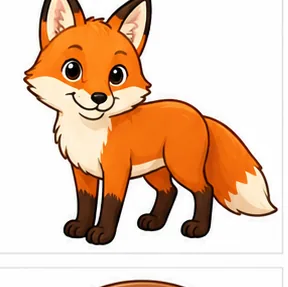
Boy: Which animal should I draw on your lantern? I could paint a fox with a long tail.
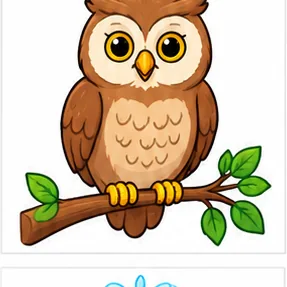
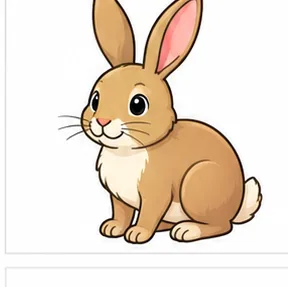
Girl: The rabbit is cute, but an owl is my favourite. Please draw one sitting on a branch, with its wings folded.
Narrator: Number 20. Where will the friends meet after the workshop?
Man: Where shall I meet you after the workshop? The fountain is easy to see.
Woman: It may be crowded there. Let’s meet beside the clock inside reception. Don’t wait by the gate; I need to return a book first.
Listen and colour
Listen and colour the correct object in the garden picture. The blue lantern on the tree is the example.
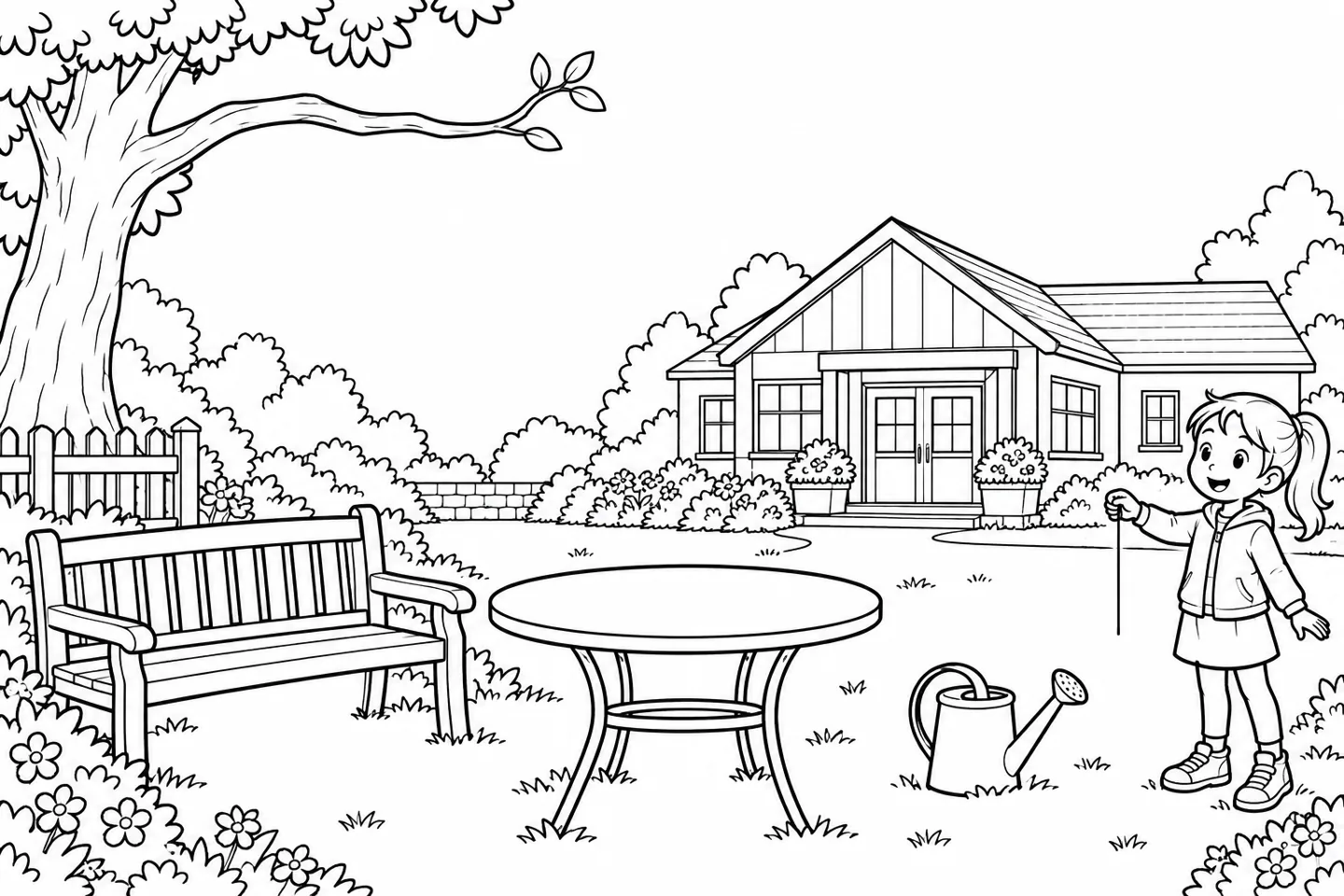
Completed picture – colour answer key
📝 Write words / numbers
Narrator: Part Five. Listen and colour. Look at the garden outside the arts centre. The lantern on the tree branch at the top left is blue. That is the example. Now listen carefully and colour the correct objects.
Woman: The garden looks ready for the evening display. Can we finish the lanterns?
Man: Yes. First find the bench on the left. There is a lantern underneath it, near the ground. Colour that lantern green.
Woman: I can see it. And the lantern on the round table?
Man: That is near the middle, a little to the left. Colour the lantern on the table orange. Do not colour the one on the fence at the far left. Leave it as it is.
Woman: There is another lantern beside the watering can, is there not?
Man: Yes. It is just to the right of the round table. Colour the lantern beside the watering can purple.
Woman: What about the small plane above the roof? It has not got any colour yet.
Man: You can colour that plane yellow. Look above the roof on the right. Make sure you colour the small plane, not the roof.
Woman: And the lantern that the child is holding?
Man: Colour that one red. The child is standing on the right. The example lantern on the tree is blue, and the fence lantern stays white.
🎯 Finished all 25 questions?
Submit to grade your whole test, OR use 👁 Show Answer per part / per question.
Review what you learned
1. Listen for the main clue
Before the recording, read the question and picture labels. Decide what kind of detail you need: a person, place, time, object, colour or position. Listen for the full phrase, not just one familiar word. A speaker may mention an idea and then change it.
2. Track contrasts and location words
Notice contrast words such as but, instead, not, first and this time. They often correct an earlier idea. For pictures, combine a landmark with a position: under the bench, beside the watering can, or at the back by the door. Check left and right from the viewpoint shown in the picture.
3. Check spelling and answers
For a name, write each spoken letter in order and check the completed word. For a time, number or price, listen for units and whether the detail is an arrival time, start time or optional cost. After each part, compare every answer with the key evidence and correct only what the recording supports.